

Don’t Let IT Problems Scare You

October 14, 2022

Share this article

The world of technology can be scary sometimes, but tech42 has you covered. There are many threats to watch out for online, with one of the biggest being malware. Malware is software that is created to harm an unsuspecting computer in some way. There are different types of malware a user may encounter that pose different threats, target different audiences and access different information. 

Adware

Adware is used to display unwanted advertisements on your computer, sometimes in the form of pop-up ads, that track your browsing activity. This type of malware is especially dangerous to casual internet users because these ads are usually very convincing. Typically, adware is used to target everyday online users. To avoid adware, use an ad blocker from a reputable source and don’t download anything from suspicious sites. 

Spyware

Spyware is exactly what it sounds like. This type of malware is used to sneak through your files, passwords, and other private data. Spyware is most often a type of malware that is installed on a computer/phone without the user’s knowledge. It invades the device, steals sensitive information and internet usage data, and relays it to advertisers, data firms, or external users. Never download anything from suspicious sites and avoid clicking links in spam emails to avoid spyware. 

Ransomware

Ransomware is designed to encrypt and lock down your computer with various other types of malware. This malware is installed on your computer in order to force you to pay a fee to have it removed. However, if you have a capable IT team, they can undo the encryption and retrieve your information. To avoid ransomware attacks from the start, avoid questionable links and avoid downloading suspicious email attachments, especially from unknown senders.

Phishing

One of the most common methods used to steal information from businesses is phishing. This method isn’t what most people think of when they imagine “hacking”. Phishing is a type of social engineering where an attacker sends a fraudulent message designed to trick a person into disclosing sensitive information to the attacker or to deploy malware onto the victim’s computer. Avoid clicking suspicious links, make sure you recognize who emails are from and check email addresses for credibility before downloading any attachments. 

Monitored and Managed EDR Protection

To better protect yourself against phishing and other malware attacks, make sure to keep all systems updated. It’s also important to have a monitored and managed endpoint detection and response (EDR) service. 

Protecting yourself and your business from malware may sound overwhelming (and a little scary), but you don’t have to do it alone. Tech42’s team of IT professionals can help keep you and your business secure and protected against malware and other security threats. Don’t be afraid to reach out, contact us today to see how we can help! 

Information Technology Insights & News 

From Your IT Team In Scranton & Wilkes-Barre

Office printer engulfed in flames, paper scattered across the floor, with smoke and sparks in a workspace
September 8, 2026
Most printer issues fall into a few predictable categories. Learn to spot the pattern and troubleshoot connection, queue, and quality problems fast.

By Doug Griffiths August 11, 2026
Older office hardware can hurt security, productivity, and reliability before it fails. Learn the warning signs and when to plan your next upgrade.
By Rachel Cunningham July 10, 2026
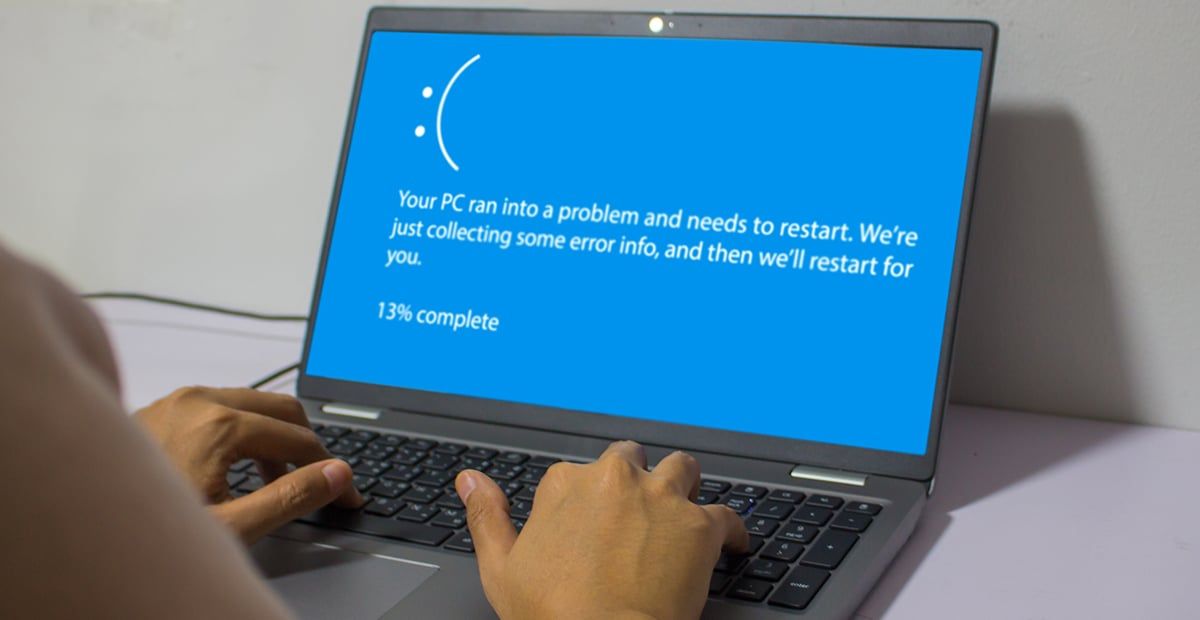
Why does restarting a device fix so many tech problems? Learn how reboots clear temporary issues, restore performance, and improve reliability.